
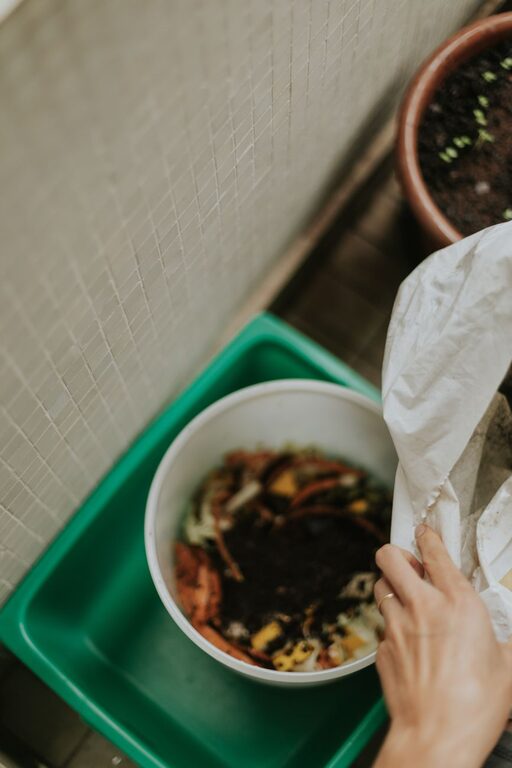
Reducing food waste at home is not only good for your wallet but also beneficial for the planet. Every year, millions of tons of food are thrown away unnecessarily, contributing to environmental problems like greenhouse gas emissions and resource depletion. Fortunately, there are many practical steps you can take to minimize waste and make the most of the food you buy. This post will guide you through easy-to-follow tips to reduce food waste in your household.
Why Reducing Food Waste Matters
Before diving into the how-to, it’s important to understand why food waste reduction is so significant. Food production uses water, energy, and land, and when food is wasted, these resources are wasted too. Additionally, rotting food in landfills produces methane, a potent greenhouse gas. By cutting down on waste at home, you help conserve resources, reduce pollution, and even improve your family’s budget.
Plan Your Meals Ahead
One of the best ways to prevent food waste is by planning your meals in advance.
Create a Weekly Meal Plan
– Decide what meals you want to prepare for the week.
– Check your pantry and fridge to see what ingredients you already have.
– Make a shopping list based on your plan, avoiding impulse buys.
When you shop with a clear plan, you’re less likely to buy items you don’t need, and you can focus on using what you have.
Batch Cooking and Portion Control
– Cook larger amounts of meals and store leftovers for future meals.
– Portion your servings to avoid uneaten food on plates.
Batch cooking saves time and money, and portion control helps prevent food from being tossed.
Store Food Properly
Proper storage can significantly extend the life of your food.
Use Airtight Containers
– Store leftovers in airtight containers to maintain freshness.
– Use clear containers so you can easily see what’s inside.
Understand Storage Guidelines
– Keep fruits and vegetables in their recommended areas in the fridge.
– Store bread in a cool, dry place or freeze it to prevent mold.
– Use the crisper drawer for leafy greens and delicate produce.
Label Your Food
– Write dates on containers so you know when food was stored.
– Use older items first to avoid spoilage.
Get Creative with Leftovers
Leftovers can be more delicious than you think when you give them a second life.
Transform Leftovers into New Meals
– Turn roasted vegetables into soups or stews.
– Use stale bread to make croutons or bread pudding.
– Combine leftover rice and veggies into fried rice.
Share Excess Food
– If you have food you won’t use, consider sharing it with neighbors or friends.
– Some communities have food sharing programs or apps that help connect people.
Shop Smart and Mindfully
Shopping habits play a big role in food waste.
Avoid Bulk Buys if You Can’t Use It Quickly
Buying in bulk can save money but only if you use the food before it spoils.
Resist Impulse Purchases
Stick to your list and avoid buying items just because they’re on sale.
Check Expiration Dates
Choose products with later expiration dates if you don’t plan to use them immediately.
Use Food Scraps Wisely
Even parts of food that are often discarded can be put to good use.
Make Vegetable Broth
Save peels, stems, and scraps in a bag in your freezer and use them to make homemade broth.
Compost Food Scraps
If you have a garden, composting fruit and vegetable scraps enriches your soil and reduces landfill waste.
Educate Your Whole Household
Reducing food waste works best when everyone pitches in.
Talk About Waste Reduction
Discuss the importance of minimizing waste with your family.
Encourage Responsible Portions
Let family members serve themselves smaller amounts and take seconds if still hungry.
Get Kids Involved
Teaching children about food waste through fun activities can encourage better habits early on.
Final Thoughts
Reducing food waste at home is achievable with simple changes to the way you shop, store, cook, and manage food. By planning meals, properly storing leftovers, and finding creative ways to reuse food, you can save money, reduce your environmental impact, and enjoy the satisfaction of making the most out of what you have. Start with a few tips today and watch your efforts grow into lasting habits.
Remember, every little bit helps when it comes to cutting down food waste!