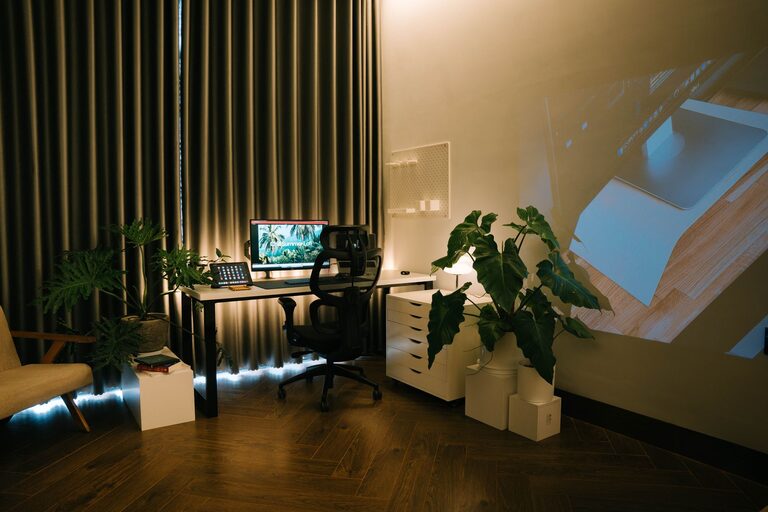
Creating a relaxing home workspace is more important than ever as many people find themselves balancing work and life under the same roof. A well-designed space can help reduce stress, improve focus, and make your workday more enjoyable. In this post, we’ll explore practical steps you can take to transform any corner of your home into a calm, productive environment.
Why a Relaxing Workspace Matters
When your workspace feels peaceful and inviting, it encourages a positive mindset. Stressful or cluttered environments can distract you and lower your motivation. On the other hand, a relaxing area helps you stay calm and focused, making work feel less like a chore and more like a rewarding activity.
Choose the Right Location
Finding the ideal spot for your workspace is the first step. Here’s what to consider:
– Natural Light: Position your desk near a window if possible. Natural light can enhance your mood and reduce eye strain.
– Quiet Area: Select a space away from household noise or distractions to help maintain concentration.
– Room to Move: Ensure there’s enough room for your chair and keyboard and a few extra inches for comfort.
Declutter and Organize
A clean and organized workspace instantly feels more relaxing. Try these tips:
– Minimal Essentials: Keep only the items you use daily on your desk.
– Storage Solutions: Use shelves, drawers, or boxes to keep papers and supplies out of sight.
– Cable Management: Tidy up cords with clips or ties to reduce visual clutter.
Choose Comfortable and Functional Furniture
Your furniture choices can make a big difference in comfort and posture.
– Ergonomic Chair: Invest in a chair that supports your back and promotes good posture.
– Adjustable Desk: If possible, try a desk you can adjust for sitting or standing positions.
– Proper Desk Height: Your desk should allow your arms to rest comfortably while typing.
Incorporate Soothing Colors and Decor
Colors and decor influence your mood. Here are some ideas:
– Soft Colors: Blues, greens, or neutrals tend to be calming.
– Personal Touch: Add photos or artwork that make you happy but avoid overly stimulating images.
– Plants: Indoor plants can improve air quality and add a natural, peaceful vibe.
Enhance Lighting
Proper lighting protects your eyes and helps set a relaxing tone.
– Mix Lighting: Use a combination of natural light, overhead lighting, and a desk lamp.
– Warm Light: Choose bulbs that emit soft, warm light rather than harsh, bright white light.
Add Relaxation Elements
Don’t hesitate to include items that help you unwind during breaks.
– Aromatherapy: Subtle scents like lavender or eucalyptus can promote calmness.
– Comfort Items: A cozy blanket or cushion can make your chair feel more inviting.
– Background Sound: Consider a small fountain, white noise machine, or soft music to mask distractions.
Set Boundaries and Routine
A relaxing workspace is not just about the physical set-up but also about habits.
– Defined Hours: Set clear work hours to prevent burnout.
– Break Time: Schedule regular breaks to stretch or relax your mind.
– Tech-Free Zone: Avoid using your workspace for non-work activities to maintain its purpose.
Keep It Fresh and Adaptable
Your needs may change, and your workspace should too.
– Update Decor: Refresh your decor or colors seasonally to keep things interesting.
– Rearrange: Try different layouts until you find what feels best.
– Clean Regularly: Maintain your space by tidying up daily.
—
By following these tips, you can create a home workspace that supports your well-being and productivity. Remember, the goal is to design a space that feels inviting and helps you focus so you can work efficiently and enjoy your time at home.