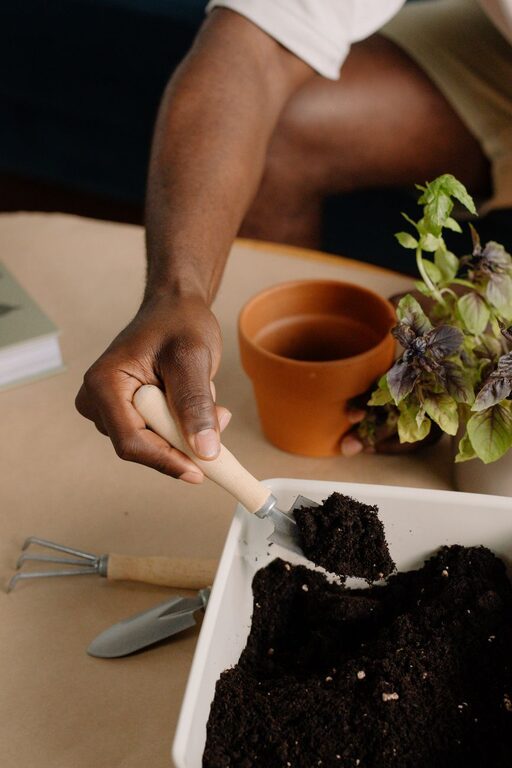
Starting a small herb garden indoors is a rewarding way to bring fresh flavors and greenery into your home, even if you don’t have a lot of space. Whether you’re a cooking enthusiast or simply want to enjoy the benefits of having plants around, growing herbs indoors is easier than you might think. This guide will walk you through everything you need to know to start your own indoor herb garden successfully.
Why Grow Herbs Indoors?
Growing herbs indoors has many benefits:
– Convenience: Fresh herbs are always at your fingertips for cooking.
– Space-saving: Perfect for apartments or homes without outdoor gardens.
– Year-round growth: Indoors, you can grow herbs regardless of the season.
– Air quality: Some herbs can help purify your indoor air.
– Aesthetic appeal: Herbs add greenery and a pleasant aroma to your home.
Choosing the Right Herbs for Indoor Gardening
Not all herbs thrive indoors, so it’s best to select varieties known to do well inside. Some easy-to-grow herbs for indoor spaces include:
– Basil: Needs plenty of light and warmth.
– Mint: Hardy and fast-growing, but can spread quickly so keep it in its own pot.
– Parsley: Prefers moderate light and consistent moisture.
– Chives: Tolerates lower light and adds fresh onion flavor.
– Thyme: Requires bright light and well-drained soil.
– Oregano: Likes sun and dry conditions.
– Cilantro: Prefers cooler temperatures and moderate light.
Consider your kitchen’s lighting and temperature before choosing herbs. South or west-facing windows usually provide the best light.
Selecting Containers for Your Herb Garden
Your pots or containers should have good drainage to prevent waterlogging, which can harm the roots. Here are some container options:
– Terracotta pots: Porous and great for preventing overwatering.
– Plastic pots: Lightweight and retain moisture longer.
– Ceramic pots: Decorative but ensure they have drainage holes.
– Recycled containers: Such as tins or jars, just add drainage holes.
Using containers with a diameter of about 4-6 inches is ideal for most herbs, allowing roots enough room to grow without taking up too much space.
Choosing the Right Soil and Potting Mix
Herbs need well-draining soil to thrive. Use a high-quality potting mix labeled for indoor plants or herbs. Avoid garden soil since it can be too dense and may contain pests or diseases.
For better drainage, you can mix:
– Potting soil
– Perlite or sand (to improve aeration)
– Organic compost (for nutrients)
Ensure the soil is light and airy to support healthy root growth.
Planting Your Herbs
You can start your herb garden from seeds or young plants (seedlings). Here’s how:
Starting from Seeds
– Fill containers with your potting mix.
– Sow seeds as directed on the packet; some herbs require light to germinate, so don’t cover those with soil.
– Keep the soil moist but not soggy.
– Place containers where they get plenty of light.
– Germination times vary, from a few days to a few weeks.
Starting from Seedlings
– Gently remove seedlings from their nursery pots.
– Plant them at the same depth in your containers.
– Water immediately to help them settle.
Lighting for Indoor Herbs
Light is one of the most critical factors. Most herbs need at least 6 hours of direct sunlight daily. If natural light is limited, consider:
– Using grow lights: LED or fluorescent lights designed for plants.
– Placing herbs near bright windows: South-facing windows are best.
– Rotating plants regularly: To ensure even growth on all sides.
If herbs don’t get enough light, they may become leggy and weak.
Watering Tips
Herbs typically prefer to dry out slightly between waterings. Here’s how to water correctly:
– Check soil moisture by sticking your finger about an inch deep. If dry, it’s time to water.
– Water thoroughly until it drains from the bottom, then empty excess water from saucers.
– Avoid overwatering to prevent root rot.
– Herbs like mint and parsley enjoy more consistent moisture, while thyme and oregano tolerate drier soil.
Fertilizing Your Indoor Herb Garden
Herbs benefit from occasional feeding:
– Use a balanced, water-soluble fertilizer diluted to half strength every 4-6 weeks.
– Avoid over-fertilizing, which can lead to weak flavor or excessive leaf growth.
– Organic options like compost tea or fish emulsion are also great.
Pruning and Harvesting
Regular trimming encourages bushy, healthy growth:
– Pinch off the tips of herbs regularly.
– Harvest leaves in the morning when oils are most concentrated.
– Avoid cutting more than one-third of the plant at a time.
– Remove any yellow or dead leaves to keep plants healthy.
Controlling Pests Indoors
Indoor herb gardens usually have fewer pest issues, but if problems arise:
– Inspect plants regularly for aphids, spider mites, or fungus gnats.
– Use insecticidal soap or neem oil sprays as safe treatments.
– Avoid overwatering to reduce fungus gnats.
– Maintain good air circulation around plants.
Tips for Success
– Choose herbs that match your cooking style.
– Group plants with similar light and water needs.
– Use shallow trays with pebbles under pots to increase humidity if needed.
– Clean pots and tools regularly to prevent disease.
– Keep a journal to track watering, feeding, and growth.
Conclusion
Starting a small indoor herb garden is a fun and practical project that brings fresh flavors and a bit of nature indoors. With the right herbs, containers, lighting, and care, you can enjoy homegrown herbs all year long. Whether you’re a beginner or an experienced gardener, these tips will help your indoor herb garden flourish.
Happy gardening and happy cooking!