
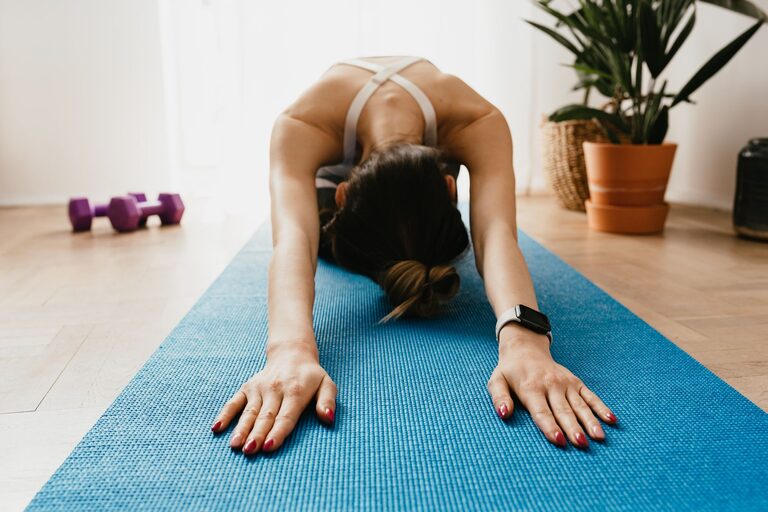
Stretching is a simple yet powerful way to improve your flexibility, reduce muscle tension, and promote relaxation. Whether you’re looking to enhance your fitness routine or just want to feel more comfortable throughout the day, stretching at home is an accessible and effective option. This beginner’s guide will walk you through the basics of stretching, explain its benefits, and provide easy-to-follow routines you can do without any special equipment.
Why Stretching Matters
Stretching helps prepare your muscles and joints for movement, improves blood circulation, and can reduce the risk of injury. Regular stretching also promotes better posture and can ease stress accumulated from daily activities. Unlike more intense workouts, stretching is gentle and suitable for all ages and fitness levels.
Types of Stretching
Understanding different types of stretching can help you choose the right routine.
1. Static Stretching
Static stretches involve holding a stretch in one position for 15 to 60 seconds. This type is excellent for improving flexibility and is often done after a workout or during a cool-down.
2. Dynamic Stretching
Dynamic stretching uses controlled, active movements that take your joints and muscles through their full range of motion. It’s great for warming up before exercise.
3. Passive Stretching
Passive stretching involves using a prop, another person, or your body weight to hold a stretch without much muscle effort.
For beginners, static and dynamic stretching are the most common and easiest to practice at home.
Preparing to Stretch at Home
Before you start stretching, keep these tips in mind:
– Choose a comfortable space: Find a quiet area with enough room to move freely.
– Wear comfortable clothing: Choose clothes that allow full movement.
– Warm up lightly: Do 3–5 minutes of light activity like walking or marching in place to warm up muscles.
– Avoid over-stretching: Stretch to the point of mild tension, not pain.
– Breathe steadily: Don’t hold your breath during stretches; breathe calmly and deeply.
Beginner-Friendly Stretching Routine
Here’s a simple routine designed for beginners that targets major muscle groups.
Neck Stretch
- Sit or stand tall.
- Gently tilt your head toward your right shoulder until you feel a stretch on the left side of your neck.
- Hold for 20 seconds, then switch sides.
- Bring your right arm across your chest.
- Use your left hand to gently press your arm closer to your chest.
- Hold for 20-30 seconds, then switch arms.
- Stand with your feet shoulder-width apart.
- Clasp your hands behind your back and straighten your arms.
- Lift your hands slightly and open your chest.
- Hold for 20-30 seconds.
- Reach your arms straight out in front of you and clasp your hands together.
- Round your upper back and push your hands forward.
- Hold for 20-30 seconds.
- Sit on the floor with one leg extended straight.
- Bend the other leg so the sole of your foot touches your inner thigh.
- Reach toward the toes of the extended leg without bouncing.
- Hold for 20-30 seconds, then switch legs.
- Stand near a wall or chair for balance.
- Bend your right knee and bring your heel toward your buttocks.
- Hold your ankle with your right hand and keep your knees close.
- Hold for 20-30 seconds, then switch legs.
- Stand facing a wall with your hands pressed against it.
- Step your right foot back, keeping it flat on the floor.
- Bend your left knee and lean forward until you feel a stretch in your right calf.
- Hold for 20-30 seconds, then switch legs.
Shoulder Stretch
Chest Stretch
Upper Back Stretch
Hamstring Stretch
Quadriceps Stretch
Calf Stretch
Tips for Success
– Consistency is key: Aim to stretch at least 3–4 times per week.
– Listen to your body: If a stretch causes sharp pain, stop immediately.
– Modify as needed: Use cushions or yoga blocks for support if you find certain positions difficult.
– Stay hydrated: Drinking water helps your muscles stay supple.
– Combine with other activities: Stretching complements walking, yoga, or light strength training.
When to Stretch
– After waking up: Stretching in the morning can ease stiffness.
– Before exercise: Dynamic stretching can help warm up your muscles.
– After exercise: Static stretching aids recovery.
– During work breaks: Take a few minutes to stretch if you have a sedentary job.
– Before bed: Gentle stretches can help you relax and improve sleep quality.
Common Mistakes to Avoid
– Bouncing during stretches: This can cause muscle strain.
– Ignoring pain signals: Mild discomfort is okay, but pain is not.
– Holding your breath: Breathing deeply helps oxygenate muscles.
– Skipping warm-ups: Stretch cold muscles can lead to injury.
– Overstretching: Progress gradually to avoid overstretching.
Final Thoughts
Starting a stretching routine at home is simple and rewarding. It requires no special equipment and can easily fit into your daily schedule. By incorporating stretching into your lifestyle, you’ll enjoy improved flexibility, reduced tension, and a greater sense of well-being. Remember to be patient, go at your own pace, and enjoy the process of becoming more limber and relaxed every day.
Happy stretching!