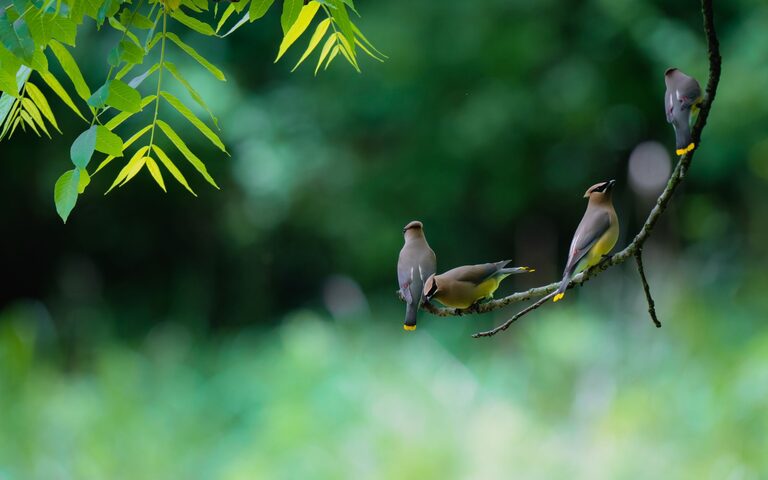
Birdwatching is a relaxing and rewarding hobby that anyone can enjoy, right in their own backyard. If you’re new to birdwatching, it might seem a little overwhelming at first. But with a few simple tips, you can attract a variety of birds and start recognizing them quickly. This guide will help you get started with backyard birdwatching, without the need for expensive equipment or prior experience.
Why Birdwatching in Your Backyard?
Birdwatching doesn’t require travel or special permits. Your backyard is an accessible spot where you can observe local wildlife and connect with nature. It’s also a gentle way to help birds by providing food and water, especially during harsh weather. Plus, birdwatching can improve mindfulness and reduce stress as you pause and appreciate the natural world around you.
Essential Supplies for Beginners
You don’t need much to start birdwatching at home. Here’s a basic list of supplies to consider:
– Binoculars: A good pair of binoculars helps you see birds up close without disturbing them. Look for compact, lightweight models suited for beginners.
– Field Guide or Bird Identification App: A field guide or smartphone app lets you identify birds by their appearance and calls. Many apps also provide photos and tips.
– Bird Feeder: Providing food attracts birds to your yard. Different feeders suit different bird species.
– Birdbath: Fresh water encourages birds to visit for drinking and bathing.
– Notebook or Bird Journal: Keeping notes about the birds you see helps track your observations and learn over time.
Choosing the Right Bird Food
Different birds prefer different types of food. Here are some common choices and the birds they attract:
– Black-oil Sunflower Seeds: Popular with cardinals, chickadees, finches, and woodpeckers.
– Nyjer (Thistle) Seeds: Loved by finches, especially goldfinches.
– Suet Cakes: Attract woodpeckers, nuthatches, and wrens.
– Peanuts: Great for jays and titmice.
– Mixed Birdseed: A blend that appeals to a wide variety of birds.
Try using a mix to see what birds come to your yard. Remember to keep feeders clean and dry to prevent mold and disease.
Setting Up Your Backyard for Birdwatching
Where and how you place feeders and birdbaths can affect what birds visit:
– Choose a Safe Spot: Position feeders near bushes or trees that provide shelter from predators.
– Keep Feeders Visible: Place feeders where you can see them easily from a window or patio.
– Provide Water: A birdbath with clean, fresh water attracts birds for drinking and bathing.
– Avoid Pesticides: Keeping your yard chemical-free makes it safer for birds and beneficial insects.
– Plant Native Plants: Native trees, shrubs, and flowers provide natural food and shelter.
How to Observe Birds Like a Pro
Once your setup is ready, spend time watching quietly and patiently. Here are ways to improve your birdwatching experience:
– Be Patient and Still: Birds are easily startled, so move slowly and avoid loud noises.
– Observe Details: Note colors, size, shape, beak type, and behavior to help identify species.
– Listen to Bird Calls: Many birds have unique songs or calls that are helpful clues.
– Use Your Field Guide or App: Compare what you see and hear with your guide.
– Keep a Bird Journal: Record the species, date, time, and weather. This helps track your progress and discover patterns.
Common Backyard Birds to Look For
Depending on your region, you might see:
– Northern Cardinal: Bright red male with a crest, common in many backyards.
– American Robin: Round-bodied, with an orange chest.
– Blue Jay: Vibrant blue with white and black markings.
– House Finch: Small birds with streaked bodies; males often have reddish coloring.
– Mourning Dove: Soft gray with a gentle cooing call.
– Chickadee: Small, with a black cap and bib.
Identifying local birds can enhance your enjoyment and help you learn about your area’s wildlife.
Tips for Encouraging More Bird Visits
If you want to attract a greater variety of birds:
– Offer a variety of feeders and foods.
– Change feeder locations occasionally to keep birds curious.
– Create habitat layers with different heights of plants.
– Avoid feeding bread or processed foods, which aren’t healthy for birds.
– Keep cats indoors or supervise them to protect visiting birds.
Enjoying Your Backyard Birdwatching Journey
Birdwatching is a wonderful way to slow down and connect with nature daily. As your knowledge grows, you may recognize more species, learn their habits, and even notice seasonal patterns. It can be an educational hobby for families, a peaceful retreat for individuals, or a social activity when you share sightings with friends or online birding groups.
Remember, the key is to enjoy the experience and celebrate the small victories — like spotting a new bird or hearing a song you can identify. Happy birdwatching!